FrontRow · Jul 19, 2026
FrontRow — photo status
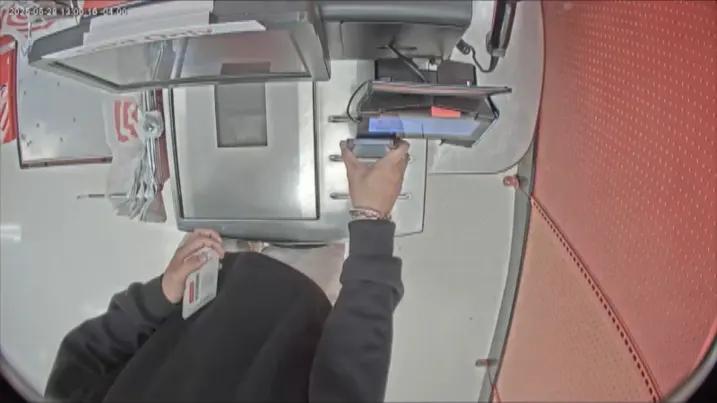
While credit card theft and fraud isn’t new, with the proliferation of tap-to-pay and growing use of retail apps, these digital thefts are shaping the next wave of organized retail crime and earning Chinese gangs as much as $1 billion annually, police said. Unlike typical retail theft operations — where criminals clear out shelves in big box stores and resell merchandise piece by piece on online marketplaces — the crimes can be carried out right under a store employee’s nose or from a computer anywhere in the world. “It’s very low risk for the bad actors,” said Scott Glenn, vice president of asset protection at The Home Depot . “It’s not the same thing as walking into a Home Depot, filling up a cart full of power tools, and then walking out. It’s just not as visible, it’s not as obvious to what’s happening out there and so it’s become a more preferred method over the last several years.” Fraudsters have selected retailers as their targets because their platforms carry sensitive information such as stored credit cards and personal data but they do not have the same level of security as banks, according to industry experts and law enforcement.
More from FrontRow
- FrontRowNov 4, 2026
- FrontRowNov 4, 2026 · Flutter's new CEO Dan Taylor is counting on better products

- FrontRowNov 4, 2026

- FrontRowNov 4, 2026 · Private sector job growth held steady in October, with gains

- FrontRowNov 4, 2026 · SpaceX announced a deal with chipmaker Qualcomm to provide k

- FrontRowNov 4, 2026