FrontRow · Jul 24, 2026
FrontRow — photo status
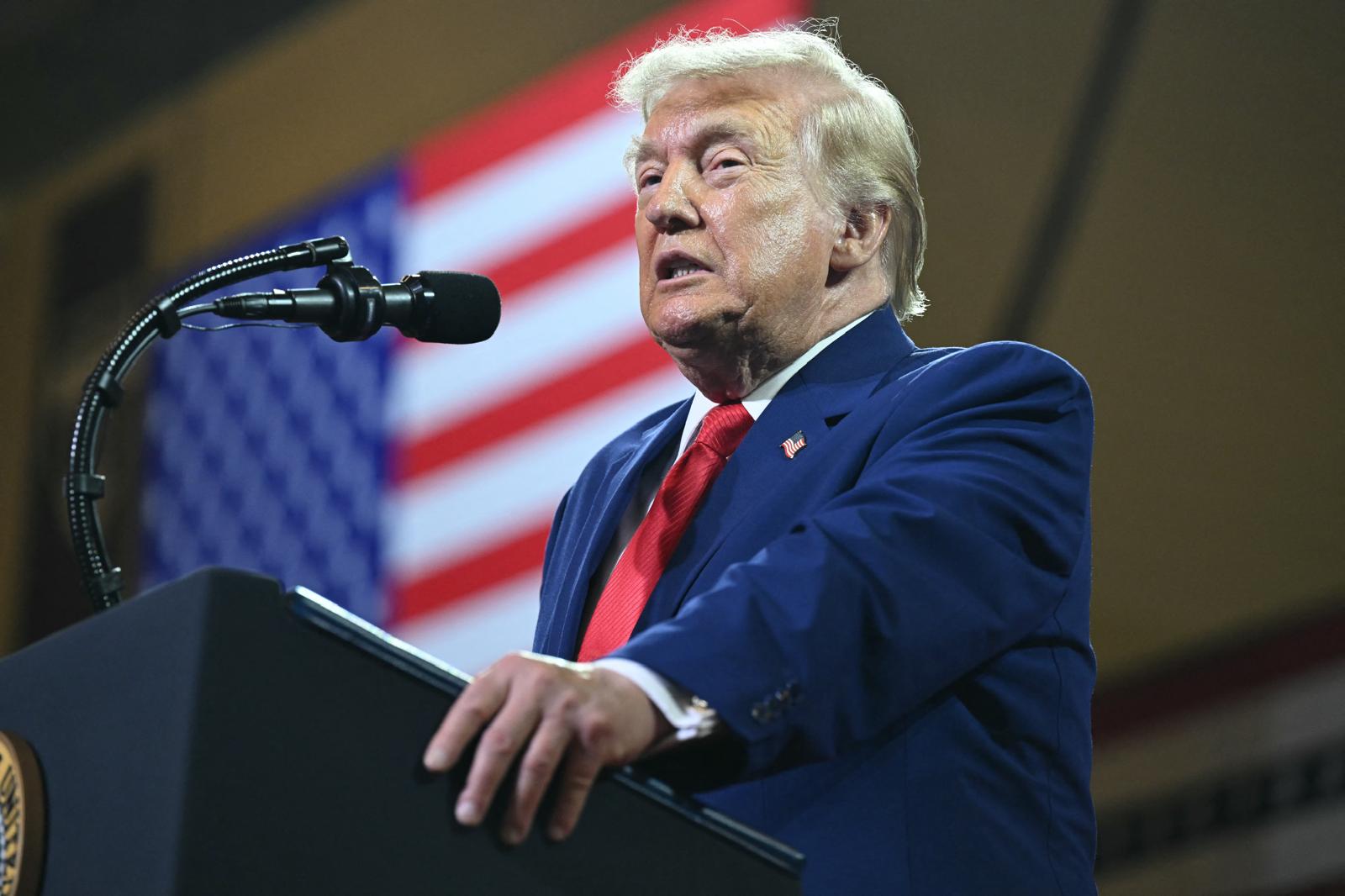
U.S. trading partners from Canberra to Brasília have rejected the forced-labor rationale behind President Donald Trump's new global tariffs, while most signaled they would keep negotiating rather than retaliate. The Office of the U.S. Trade Representative took action under Section 301 of the Trade Act of 1974, imposing tariffs on 60 economies for what Washington called their failure to impose and enforce bans on goods made with forced labor. The duties — 10% for partners that have adopted or committed to import prohibitions, 12.5% for those that haven't — cover the top 60 US trade partners and 99.4% of American imports. The measure replaces a temporary 10% global tariff imposed under Section 122 of the trade act, which expires July 24, a stopgap put in place after the Supreme Court ruled Trump's emergency-powers tariffs unlawful in February. The forced-labor probes give the administration a more durable legal foundation for a baseline tariff that the courts had challenged.
More from FrontRow
- FrontRowNov 4, 2026
- FrontRowNov 4, 2026 · Flutter's new CEO Dan Taylor is counting on better products

- FrontRowNov 4, 2026

- FrontRowNov 4, 2026 · Private sector job growth held steady in October, with gains
- FrontRowNov 4, 2026 · SpaceX announced a deal with chipmaker Qualcomm to provide k

- FrontRowNov 4, 2026