FrontRow · Oct 26, 2026
FrontRow — photo status
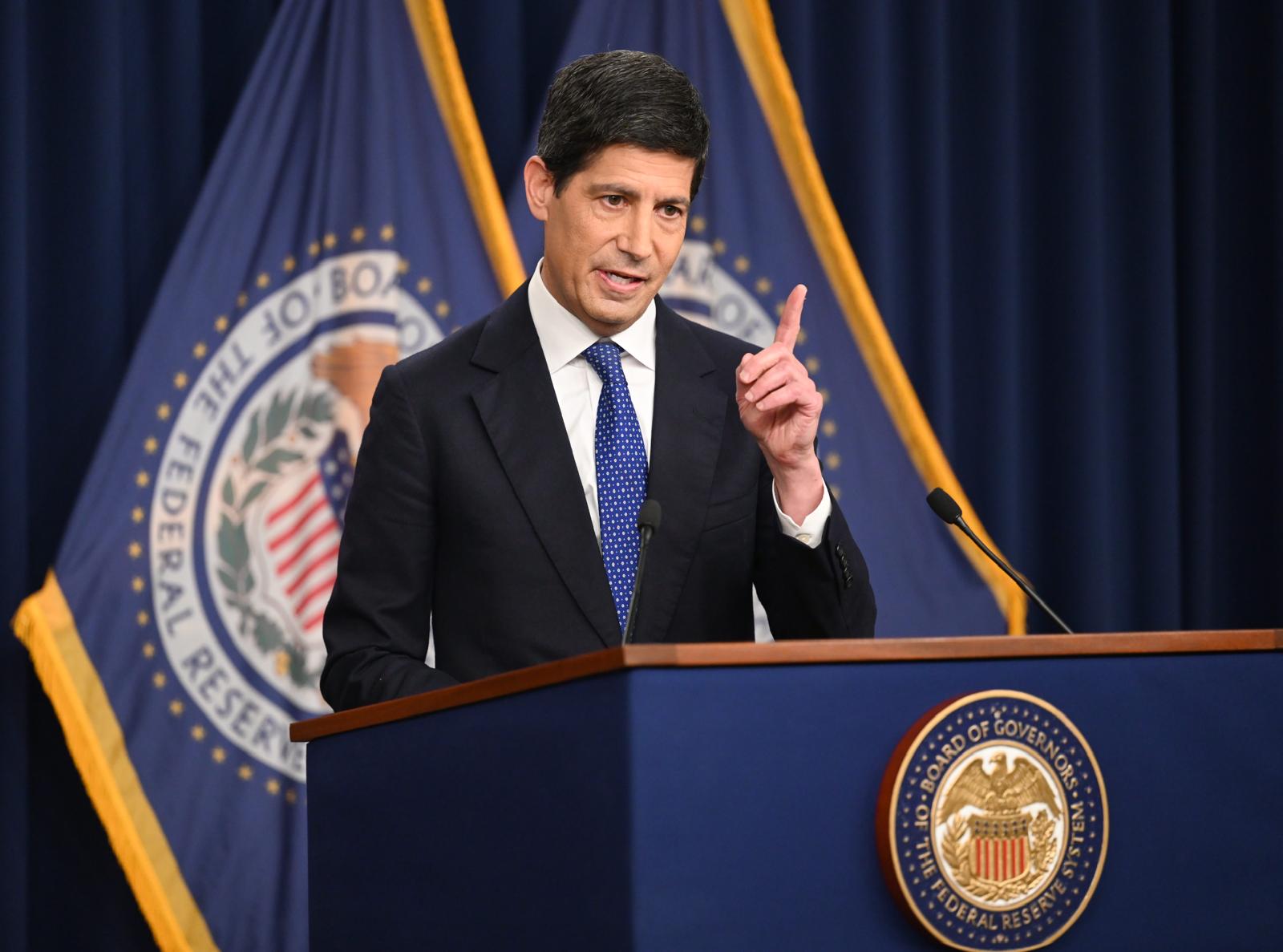
The Federal Reserve is expected to leave interest rates unchanged at its upcoming October meeting — even as higher energy costs complicate the inflation outlook and put additional pressure on household budgets. The consumer price index, a broad measure of inflation, rose again in September, bringing the annual inflation rate up to 3.7%. Surging oil prices stemming from the U.S. war with Iran also helped drive September's producer price index higher. On Friday, Brent crude oil was trading at a five-month high before falling slightly. The Fed raised rates by 25 basis points to a range of 3.75% to 4% last month, its first hike since 2023. But Fed funds futures last priced in less than a 10% chance the central bank will hike rates by another quarter point at its meeting this week, according to the CME Group's FedWatch tool. Nearly 75% expect at least one hike by year-end. "Inflation is still the No. 1 problem in the U.S. economy, and there are a lot of signs it is getting more broad-based," said Heather Long, chief economist at Navy Federal Credit Union. "For consumers, it means really high borrowing costs for the foreseeable future."
More from FrontRow
- FrontRowNov 4, 2026

- FrontRowNov 4, 2026 · Flutter's new CEO Dan Taylor is counting on better products

- FrontRowNov 4, 2026

- FrontRowNov 4, 2026 · Private sector job growth held steady in October, with gains

- FrontRowNov 4, 2026 · SpaceX announced a deal with chipmaker Qualcomm to provide k

- FrontRowNov 4, 2026