FrontRow · Aug 5, 2026
FrontRow — photo status
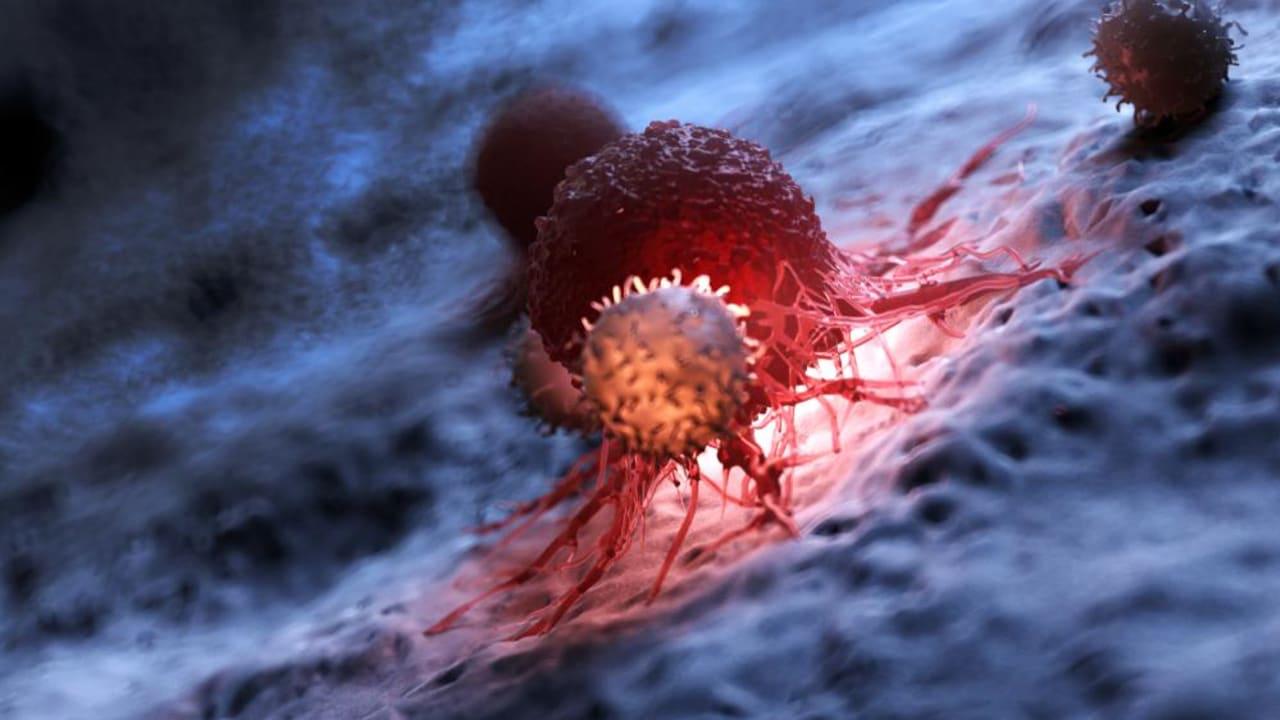
SIL204, a treatment being developed by Israeli company Silexion Therapeutics Corp., may help the immune system identify and attack KRAS-driven cancers, according to preclinical findings released on Wednesday. Combined with the company's previous data, the findings support SIL204's potential to combat three different ways cancerous tumors evade the immune system: by making the cancer cells more visible to the system, restoring susceptibility to cell death from the system, and reducing a checkpoint molecule that allows the cells to evade the system's surveillance. The treatment uses small RNA molecules, known as siRNA, to suppress the expression of mutated KRAS genes, one of the main mechanisms behind tumor growth within certain cancer patients. KRAS mutations occur in roughly 90% of pancreatic cancers and 30 - 35% of lung adenocarcinomas. In studies on human cancer cell lines representing three different KRAS mutations in human pancreatic and non-small cell lung cancer, SIL204 treatment led to statistically significant increases in expression of FAS, an immune "death receptor" which allows the immune system to trigger programmed cell death. It also led to a significant reduction in expression of HLA-G, an immune checkpoint.
More from FrontRow
- FrontRowNov 4, 2026

- FrontRowNov 4, 2026 · Flutter's new CEO Dan Taylor is counting on better products

- FrontRowNov 4, 2026

- FrontRowNov 4, 2026 · Private sector job growth held steady in October, with gains

- FrontRowNov 4, 2026 · SpaceX announced a deal with chipmaker Qualcomm to provide k

- FrontRowNov 4, 2026